
Why school safety cannot rest on one person’s shoulders.
A judge has dismissed criminal charges against a former assistant principal connected to the 2023 shooting at Richneck Elementary School in Newport News, Virginia — the case in which a six-year-old student shot his first-grade teacher, Abigail Zwerner.
The legal case may be over, but the deeper questions it exposed are not.
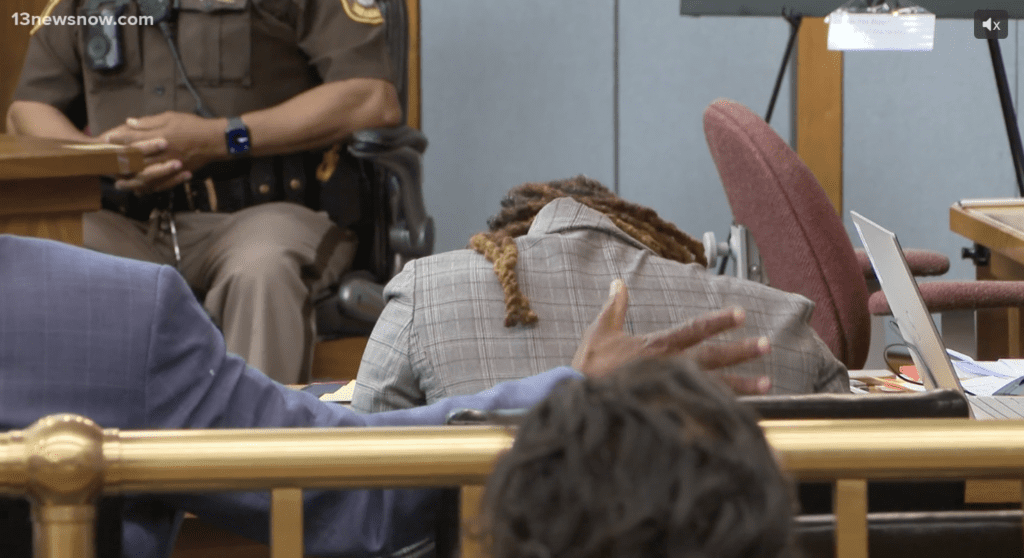
I watched the former assistant principal cry in court as the judge delivered the ruling. It was a deeply human moment inside a tragedy that has too often been discussed only through headlines, legal arguments, and public outrage.
Whatever people believe about the court’s decision, one reality should give all of us pause: no educator enters the profession expecting to worry about whether a first grader may be carrying a firearm.
And yet, this is the reality many educators now quietly carry with them every day.
According to testimony and reporting surrounding the case, concerns had reportedly been raised before the shooting about the child’s behavior and the possibility he may have had a weapon. The prosecution argued school leaders failed to act appropriately. The judge ultimately ruled there was not enough evidence to support criminal charges against the assistant principal.
But even as the legal system reaches its conclusion, the public conversation feels far less settled.
Because underneath this case is something much larger than one administrator, one school, or one terrible day.
Over time, we have placed an extraordinary burden on educators. Teachers are expected to educate children, support mental health needs, manage behavioral issues, respond to trauma, communicate with parents, identify warning signs, and now, increasingly, make real-time judgments about potential violence.
We ask schools to be places of learning, counseling centers, crisis response hubs, and security systems all at once.
No profession can absorb that level of responsibility alone.
School safety was never meant to rest on a single teacher’s instincts or one administrator’s decision-making during a chaotic moment. Violence prevention works best when it is layered and shared — when parents safely store firearms, when schools have strong behavioral threat assessment processes, when mental health concerns are addressed early, when communication between adults is clear, and when communities take warning signs seriously before a crisis unfolds.
There is also something else we cannot lose in these conversations: perspective.
The overwhelming majority of educators are doing extraordinary work under extraordinary pressure. They continue showing up for children while carrying responsibilities that would have been unimaginable to previous generations of teachers and school leaders.
That reality alone should stop all of us in our tracks.
As we continue searching for accountability after school shootings, we also have to keep searching for balance. How do we allow children to be children and educators to teach, while still taking violence prevention seriously?
There are no simple answers. But if this case teaches us anything, it is that we cannot continue treating school safety as a responsibility schools must shoulder alone.
Safety isn’t about the odds of whether something will happen; safety is about being prepared if it does.